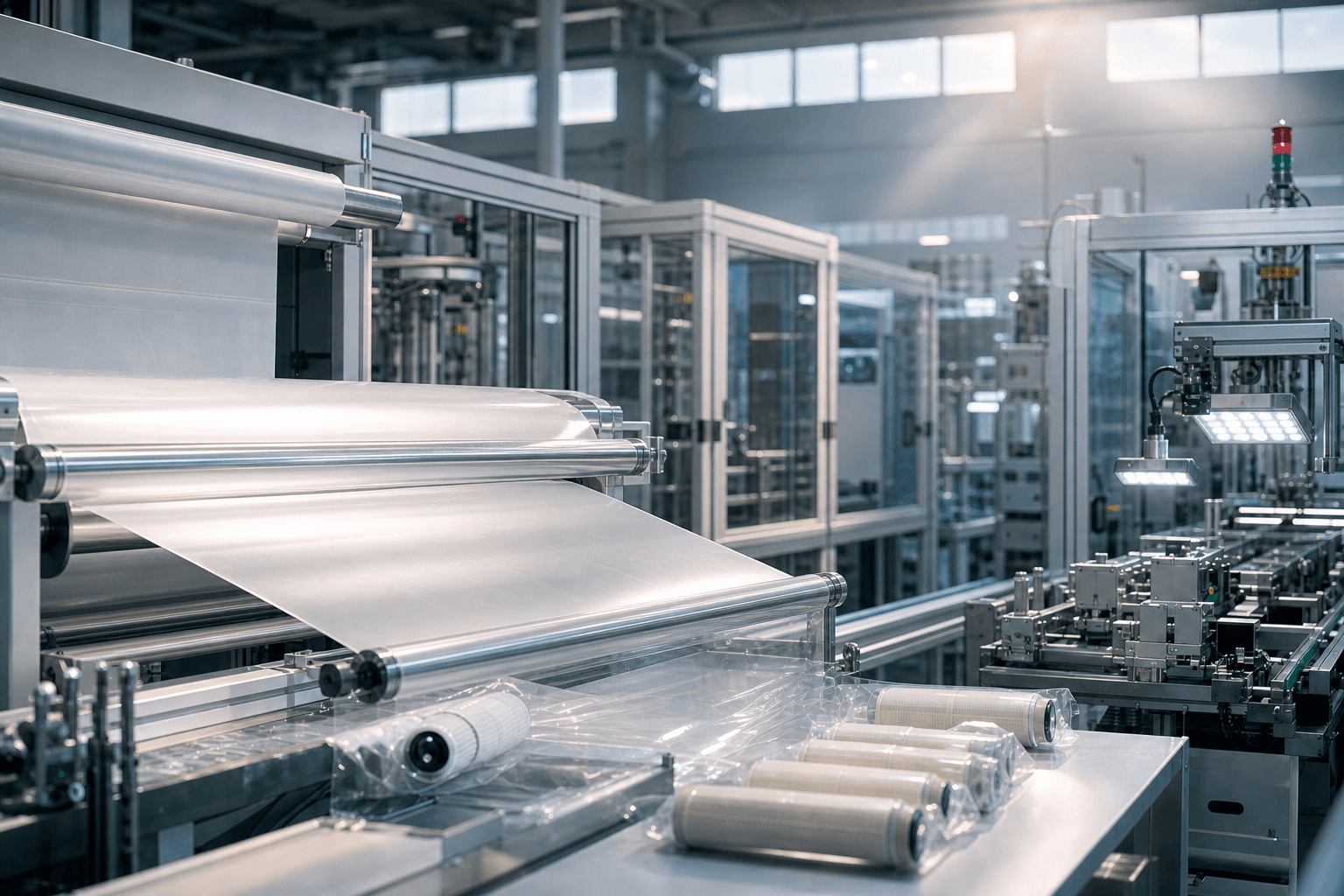
Collect more and lose less—so low-abundance targets are easier to detect.
Core advantages
Bring more target material into the detection workflow
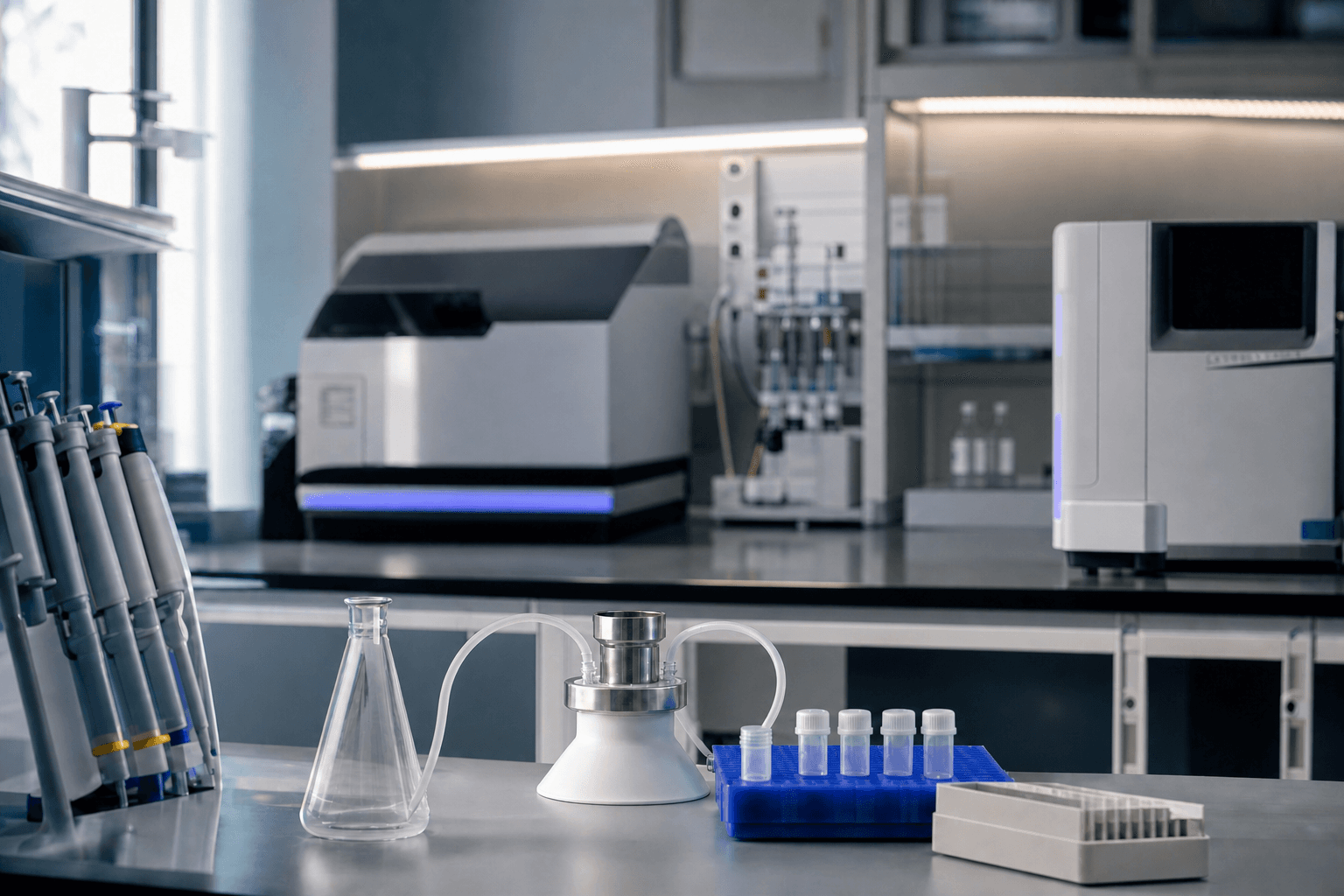
Concentrate targets before detection, reduce transfer loss and use the same membrane-enrichment entry point across multiple methods.
01
Collect more
Concentrate cells, bacteria and small particles from a larger sample volume onto a compact membrane area. Typical workflows provide approximately 20–100× enrichment, depending on input volume and process conditions.
02
Lose less
Compatible workflows avoid unnecessary elution, tube changes and repeated slide preparation, preserving more low-abundance target material.
03
One membrane, multiple methods
Connect microscopy, fluorescence, PCR, NGS, environmental and industrial detection from one membrane-enrichment entry point.
Solutions
Five solution paths, one membrane-enrichment platform
Concentrate dispersed acid-fast bacilli onto the membrane surface so low-bacillary-load samples are easier to detect. A 4,114-sample clinical study reported 79.4% sensitivity for membrane-enriched smears versus 60.5% for direct smears.
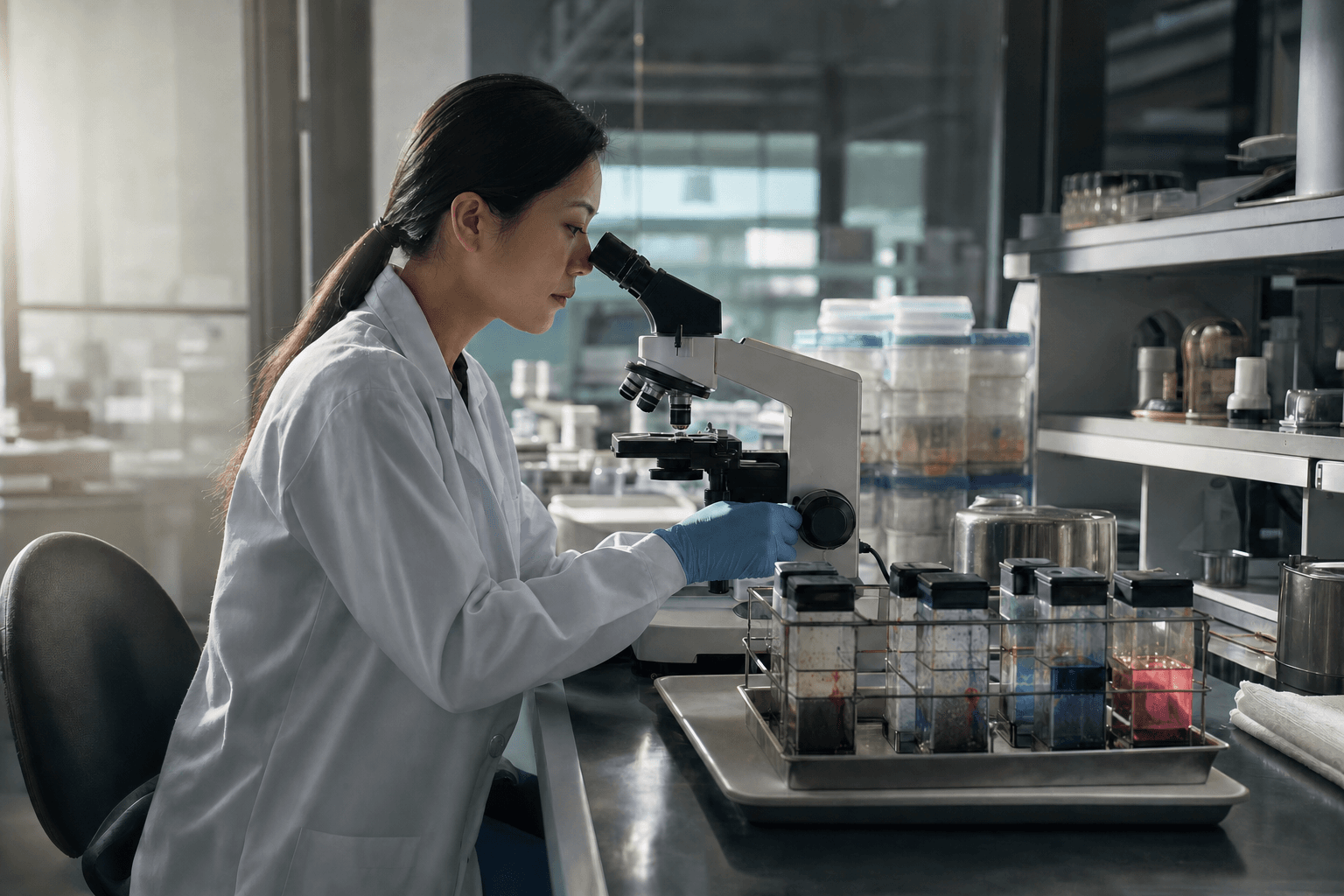
Keep cells, bacteria and small particles concentrated on the shadowless membrane and move directly into microscopy or fluorescence observation, reducing loss and morphology changes caused by elution and transfer.
Concentrate first, amplify second—start from a higher-concentration sample. The enriched membrane can enter downstream lysis, PCR amplification or NGS library preparation without first eluting targets back into liquid, reducing transfer loss and keeping more target nucleic acid in the workflow.
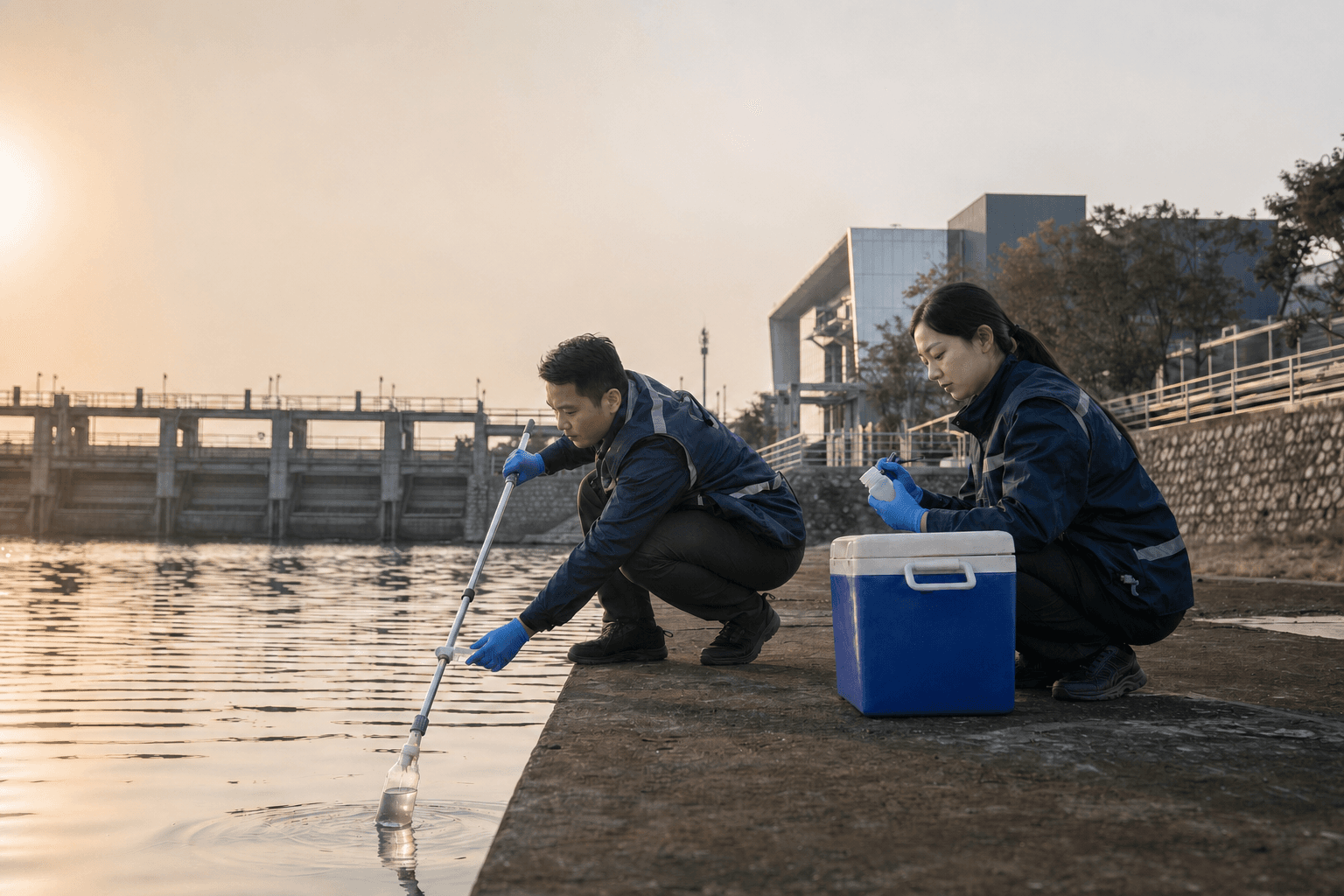
Support large-volume water, air and production-environment samples by concentrating dispersed low-abundance targets on a membrane before microscopy, fluorescence or molecular detection, so more of the available target enters the workflow.
From membrane materials and standardised consumables to automated handling and batch delivery, build a repeatable membrane-enrichment product system that brings high-sensitivity detection into routine medical, environmental and industrial workflows.