
Core advantages
Typical workflows concentrate targets from large-volume samples by approximately 20–100×
The enriched membrane enters lysis, amplification or library preparation without first eluting targets back into liquid
Fewer tube changes, elution and recovery steps preserve more low-abundance target material
Connect PCR, qPCR, digital PCR and amplicon-sequencing workflows
Applicable samples and scenarios
Water, culture media and method-compatible liquid samples
Low-abundance bacteria, cells and nucleic-acid-bearing particles
PCR, qPCR, digital PCR, amplicon sequencing and NGS preprocessing
Workflow
Step 1Sample pretreatment
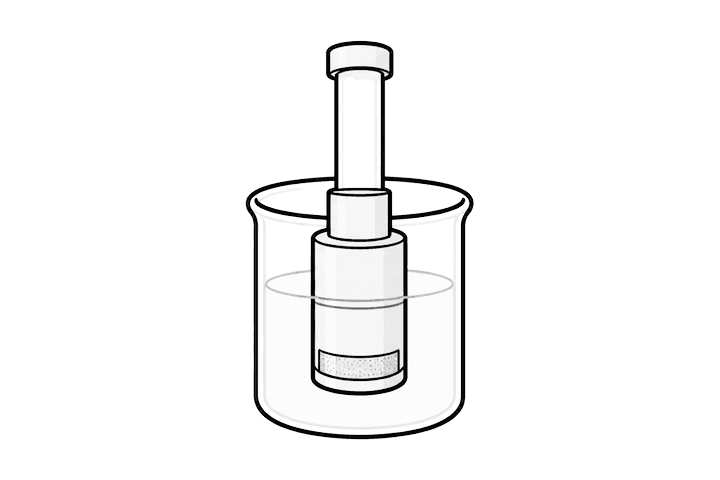
Prepare the sample
Choose preparation conditions from sample volume, matrix and target type to create a stable filtration input.
Step 2Enrichment
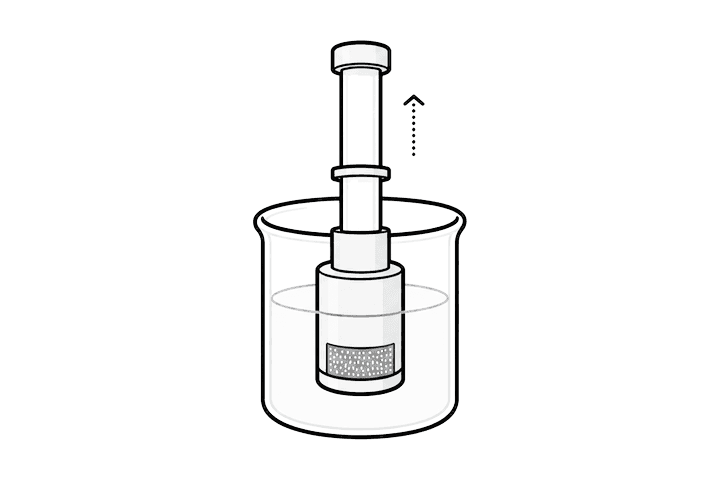
Concentrate on the membrane
Retain low-abundance cells, bacteria or small particles on the membrane. Typical workflows provide approximately 20–100× enrichment, depending on input volume and process conditions.
Step 3NGS preprocessing
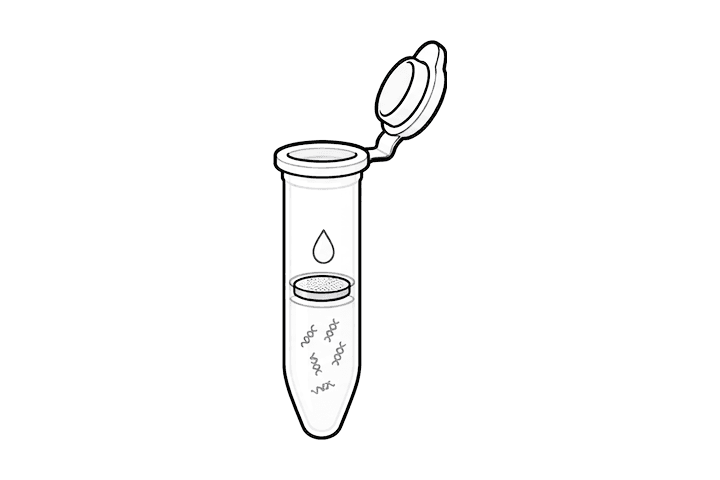
Lyse directly from the membrane
Place the enriched membrane directly into the downstream lysis step. Targets do not need to be eluted from the membrane back into liquid first, reducing another source of transfer loss.
Step 4NGS preprocessing
Connect amplification and library preparation
Feed the lysate into the existing PCR, qPCR, digital PCR, amplicon-sequencing or NGS library-preparation workflow.
Recommended product configuration
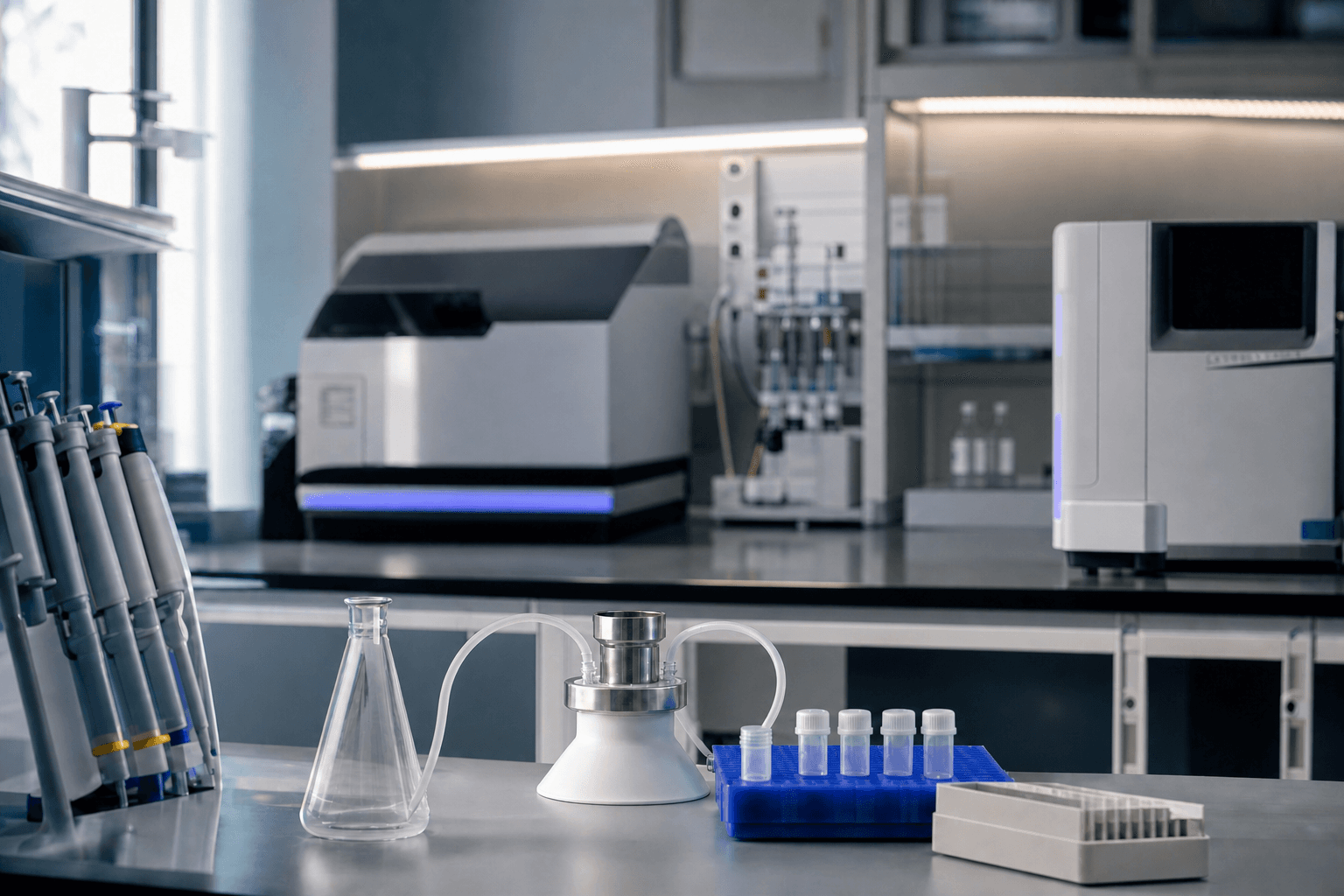
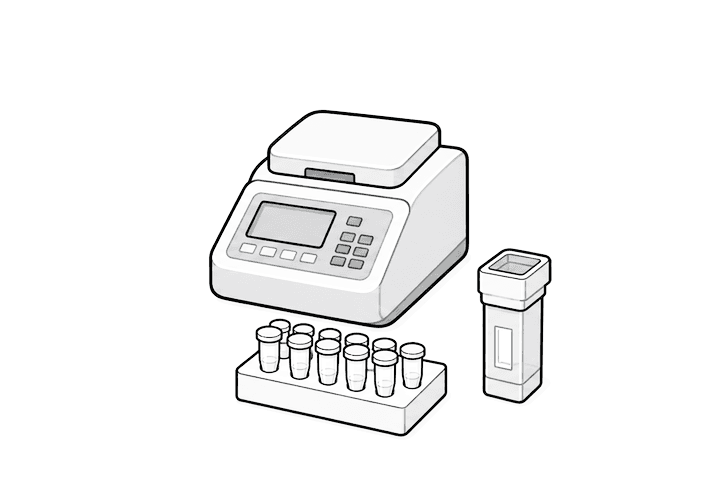
Shadowless membrane concentration sampler and slide-preparation device
The membrane-enrichment entry point for PCR / NGS preparation, connecting directly to lysis, amplification or library-preparation workflows.
Data and research evidence
20–100×
Start with a more concentrated sample
Typical membrane-enrichment range; the actual factor depends on input volume, membrane area and process conditions.
No elution
No return to liquid phase
Targets do not need to be recovered from the membrane into liquid before the membrane enters lysis or amplification.
Integrated membrane direct-PCR studyFewer transfers
Reduce handling loss
Fewer tube changes, elution and recovery steps reduce loss of low-abundance targets.
Elution-free in-situ PCR studyMulti-workflow
Connect existing detection methods
Connect PCR, qPCR, digital PCR, amplicon sequencing and NGS library-preparation workflows.
Direct filter-amplification studyGet a solution
Bring more of the target into your detection workflow
Tell us your sample, target and current detection method. We will recommend the membrane route, consumables and workflow connection.
Get a PCR / NGS preprocessing solution