Membrane-enrichment technology platform

Membrane-enrichment technology platform

Centrifugation / embedded adsorption or filtration / retention concentrates target material at the membrane surface. Typical workflows provide approximately 20–100× enrichment depending on sample volume and process conditions; matched clearing reduces light scattering so compatible membranes can be observed directly before morphology, fluorescence, nucleic-acid and other methods.

HOW TARGETS REACH THE MEMBRANE

Two parallel enrichment routes

The routes differ in how target material reaches the membrane. Both create a concentrated membrane interface that can connect to the required downstream method.

MEMBRANE PROPERTIES / DETECTION VALUE

Membrane properties that improve downstream detection

When targets are concentrated and retained at a stable membrane interface, these properties improve the sample entering downstream detection: more concentrated targets, less interference and fewer avoidable handling losses in compatible workflows.

Volume-driven enrichment

Keep scrolling to explore

enrichment according to sample volume

20–100×

A μm-scale ultra-thin enrichment interface

A μm-scale ultra-thin membrane forms a compact target-bearing interface. The platform can deliver approximately 20–100× enrichment according to sample volume, so more concentrated target material enters downstream detection.

The 20–100× range varies with sample volume and workflow conditions. Other numerical properties describe the documented platform membrane range or compatible workflow stated on each card.

Dynamic enrichment principle

Principle schematicPlatform capability · micron-scale ultra-thin membrane

Current step: Bring the sample into membrane enrichment

Sample enters membrane enrichmentSamples enter one of two membrane-enrichment paths
Liquid samplesWater samplesAir particulatesProject samples
Invert and centrifuge toward the blue-cap membrane
Route ACentrifugation / embedded adsorption
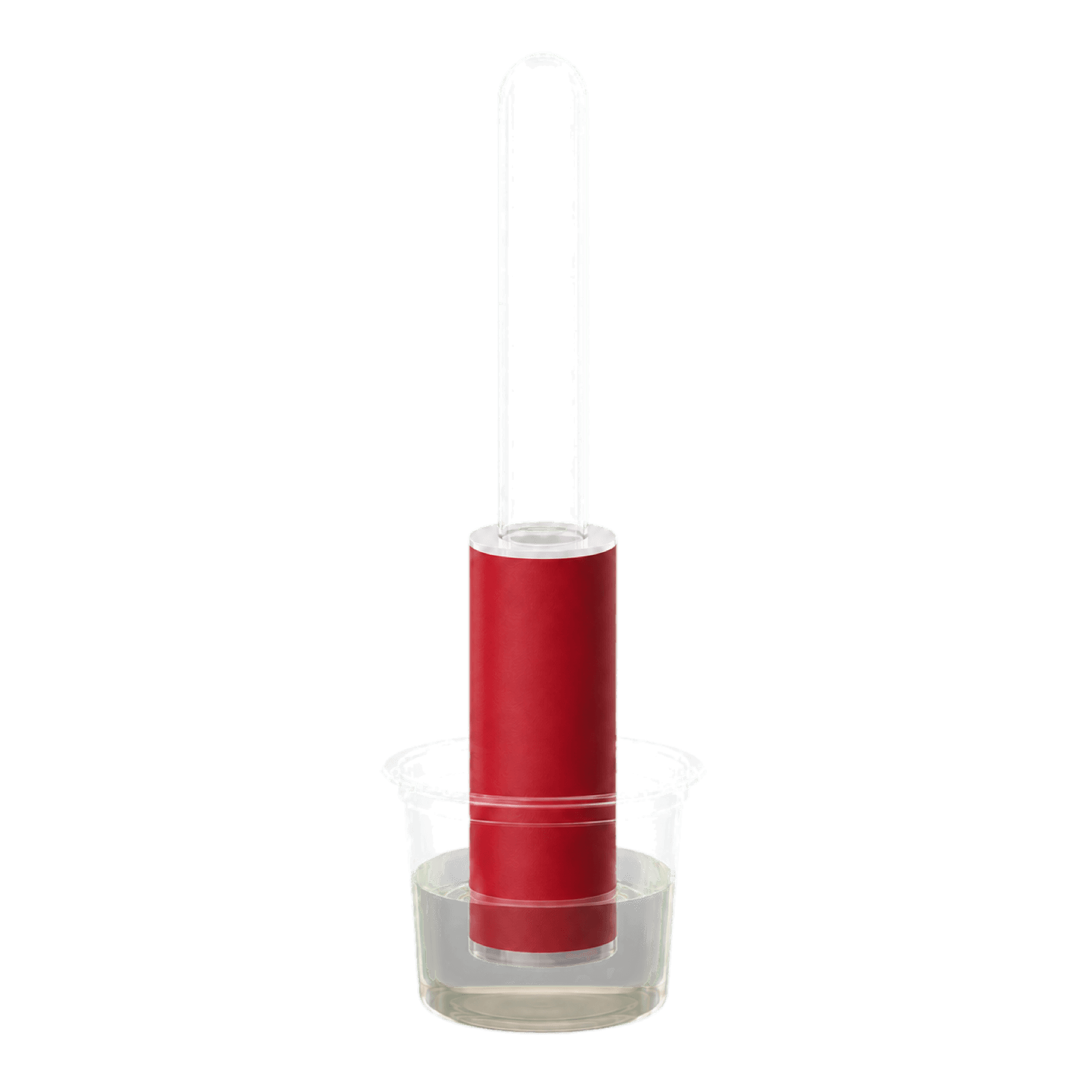
Insert into the specimen cup and draw upward
Route BFiltration

Examples show the entry only. The operating route follows the sample, target and downstream method.

Route ACentrifugation / embedded adsorptionProduct-structure illustration · no inferred internals
CentrifugationCentrifugal force toward membrane
Targets retained at the membrane surface
As needed · connect to slide preparation
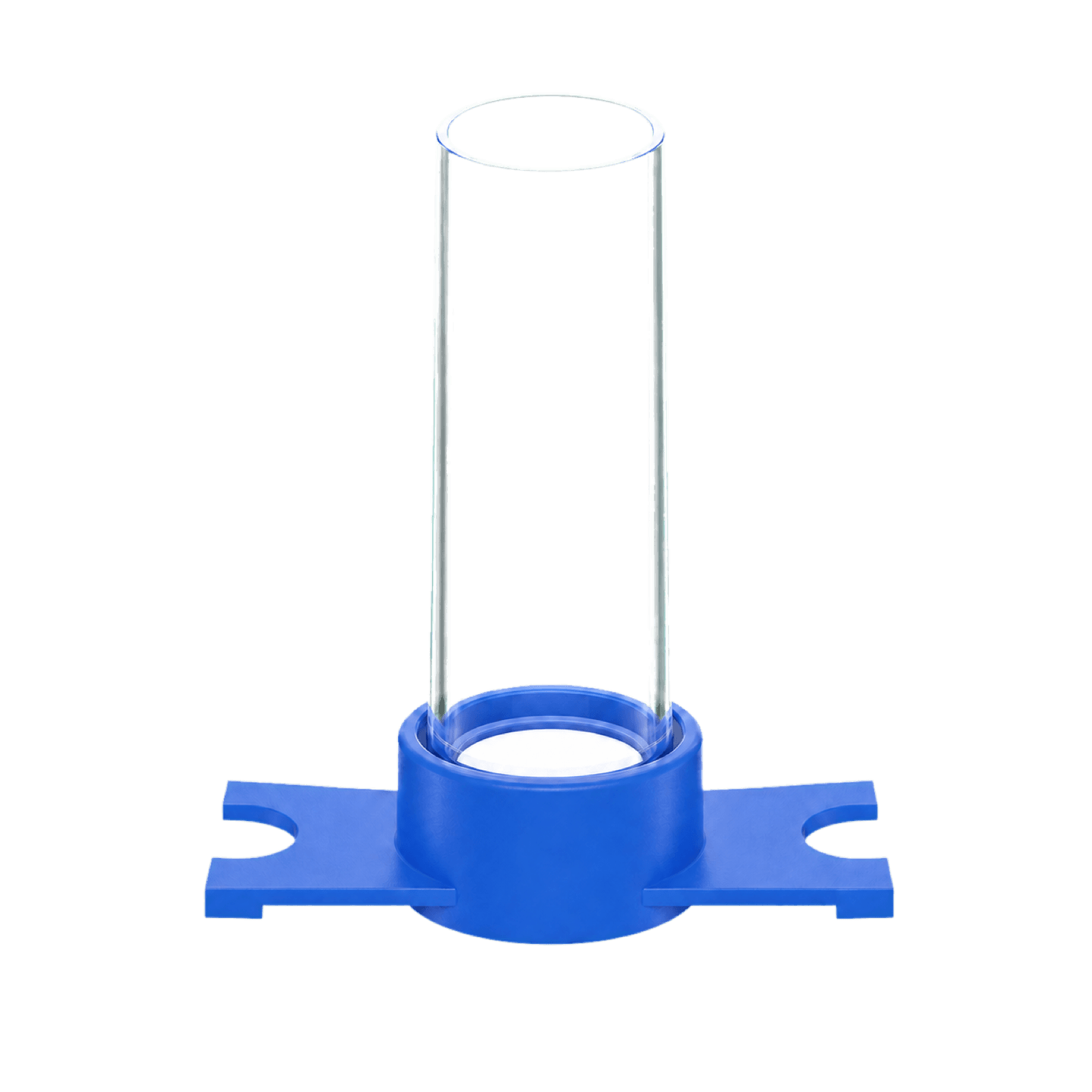
Route BFiltrationTransparent-tube illustration · filtration route
FiltrationCarrier passes · targets remain
Carrier passes through
Targets retained at the membrane surface
Optional · membrane transfer
03 · Membrane-surface enrichment completeBoth enriched membranes can enter project-matched downstream detection
Route ACentrifugation / embedded adsorption
Route BFiltration
Choose a downstream path by detection purposeAfter clearing · targets remain on the membrane
Downstream methodsOptical microscopyObserve surface-retained targets after matched clearing and preparation
Downstream methodsStaining & scanningConnect staining, slide reading or scanning by project
Downstream methodsPCR / NGS preprocessingEnter lysis, PCR amplification or NGS library preparation without first eluting targets back into liquid
Downstream methodsOther project analysesAssess transfer, extraction or elution against the selected method

The mechanisms differ, but both routes concentrate targets and retain them at the membrane surface.

Target materialSample carrier
Quantity, scale, form and composition are schematic and do not state concentration or recovery rate.
01Samples enter one of two membrane-enrichment paths
LiquidWaterAir particulatesProject sample
Centrifugation / embedded adsorption
Filtration
  1. 01
    Sample entryBring the sample into membrane enrichment

    After the required sample handling, bring the sample into the centrifugal interlayer cup or filtration device.

  2. 02
    Complete membrane-surface enrichmentComplete enrichment at the membrane surface

    Centrifugation / embedded adsorption drives targets toward the ultra-thin membrane; filtration lets carrier pass while targets are retained. The routes are selected independently, but both concentrate targets at the membrane surface.

  3. 03
    Connect the required detection methodConnect the enriched membrane to downstream detection

    The enriched membrane connects directly to downstream detection. Compatible microscopy workflows can observe targets directly, while PCR / NGS workflows can enter lysis, amplification or library preparation without first eluting targets back into liquid; each method keeps its required downstream steps.

Route A

Centrifugation / embedded adsorption

The interlayer cup is used in the operation, with centrifugal action and embedded adsorption enriching target material at the ultra-thin membrane surface.

  • MicroscopyDirect membrane-surface observation only after matched and validated clearing, preparation and optical conditions.
  • Other analysisConnect only the membrane handling and analytical preparation required by the selected method.
Route B

Filtration

The sample passes through the membrane, where target material is retained and enriched; membrane transfer may be used.

  • MicroscopyDirect membrane-surface observation only after matched and validated clearing, preparation and optical conditions.
  • Other analysisConnect only the membrane handling and analytical preparation required by the selected method.

Choose a downstream path by detection purpose

  • Optical microscopyObserve surface-retained targets after matched clearing and preparation
  • Staining & scanningConnect staining, slide reading or scanning by project
  • PCR / NGS preprocessingEnter lysis, PCR amplification or NGS library preparation without first eluting targets back into liquid
  • Other project analysesAssess transfer, extraction or elution against the selected method