

Core advantages
Support large-volume water, air and production-environment samples
Concentrate low-abundance cells, microbes and small particles onto a compact membrane area
Use one membrane-enrichment entry point for microscopy, fluorescence or molecular detection
Applicable samples and scenarios
Surface water, process water and other large-volume water samples
Airborne particles and production-environment samples
Evaluation directions: microbial and small-particle testing in food, pharmaceutical, electronics and other industrial processes
Workflow
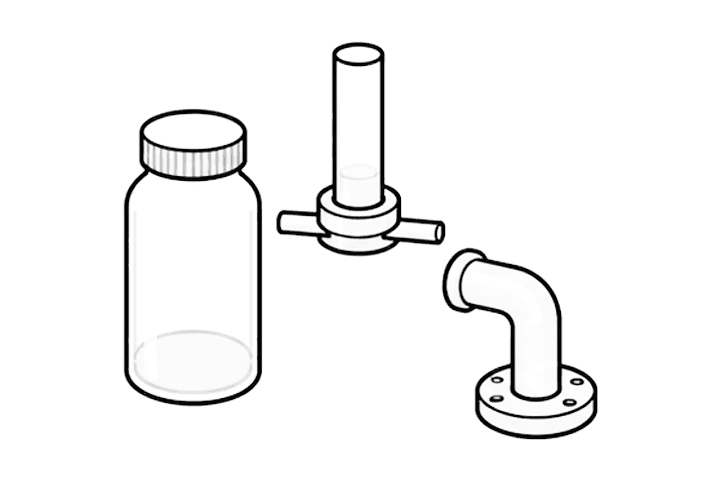
Step 1Sample pretreatment
Standardised sampling
Use a documented sampling method for water, air or production environments and record sample volume and field conditions.
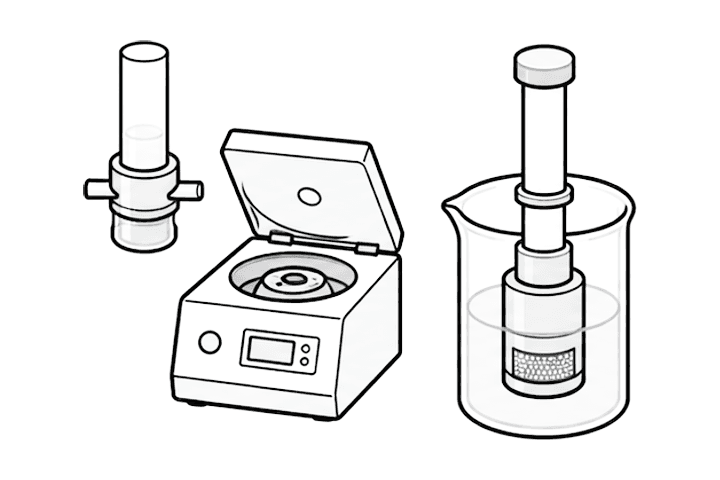
Step 2Enrichment
Membrane-surface concentration
Select embedded adsorption or filtration from the sample matrix and concentrate low-abundance targets from a larger input onto the membrane.
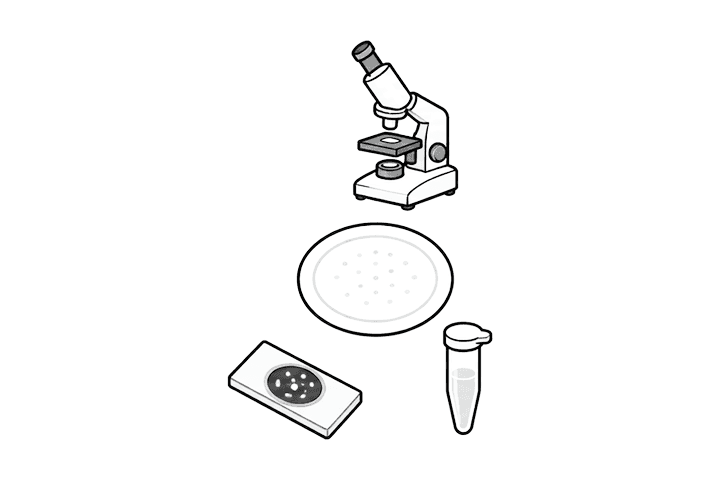
Step 3Microscopy
Connect the detection method
Choose microscopy, fluorescence, PCR or sequencing preparation from the target type while keeping sample transfers to a minimum.
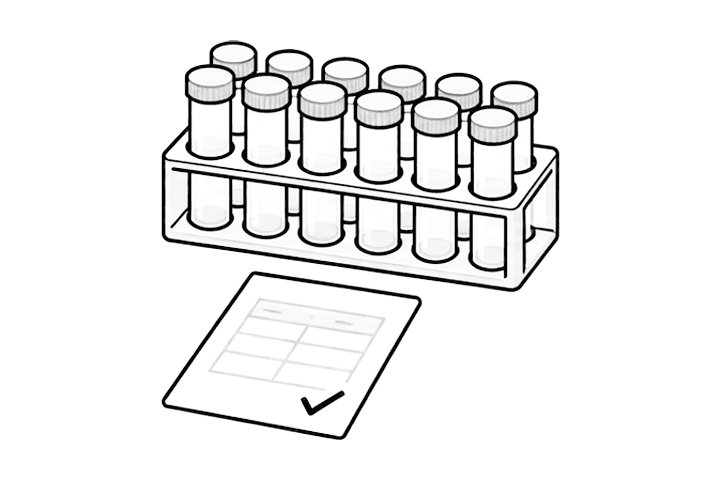
Step 4Stage
Reliable delivery
Standardised consumables and clear operating steps support field, laboratory and batch-sample workflows.
Recommended product configuration
Embedded-adsorption enrichment membrane sandwich-cup platform
Supports centrifugation-driven embedded adsorption for selected particles and sample matrices.
Shadowless membrane concentration sampler and slide-preparation device
Supports filtration retention followed by on-membrane observation or molecular preparation.
Data and research evidence
Large volume
Capture more of the original sample
Membrane filtration handles a larger input volume, improving the chance that low-abundance targets enter the detection workflow.
Low abundance
Improve detection opportunity
Cells, microbes and small particles are concentrated into a compact membrane area for higher target density.
Multi-method
One membrane, multiple methods
The enriched membrane can connect to microscopy, fluorescence, PCR or sequencing preparation according to the target.
Get a solution
Bring more of the target into your detection workflow
Tell us your sample, target and current detection method. We will recommend the membrane route, consumables and workflow connection.
Get an environment and industry solution