
SOLUTION · Acid-fast staining
Membrane-enriched acid-fast staining solution
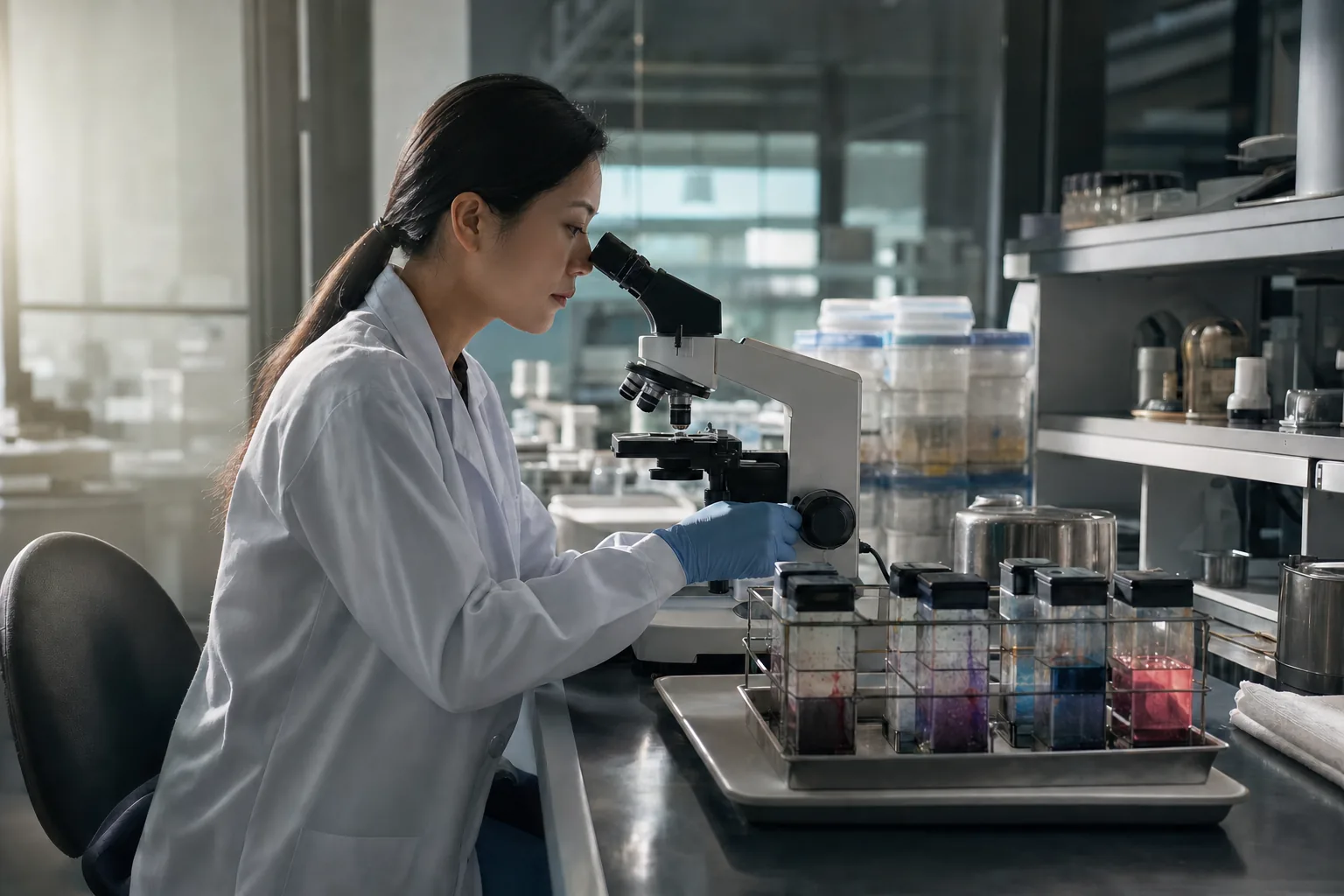
Membrane concentration is a membrane-based method of sample concentration: it gathers acid-fast bacilli dispersed in sputum and other samples onto the membrane surface, so low-bacillary-load samples are easier to detect. A 4,114-sample clinical study reported 79.4% sensitivity for membrane-enriched smears versus 60.5% for direct smears.
EVIDENCE
Why targets are easier to find
Membrane enrichment concentrates dispersed cells, bacteria and small particles on a small membrane area so more targets enter the next step, while less elution, transfer and repeated slide preparation reduces the loss of low-abundance targets during handling.
4,114
Clinical samples
Total clinical samples included in the Sabah healthcare-facility study.
Tuberculosis 2022 original study ↗79.4%
Membrane-enriched smear sensitivity
In the same study, membrane-enriched smear sensitivity was 79.4% versus 60.5% for direct smears.
Tuberculosis 2022 original study ↗2–3×
Higher smear grading
The study reported smear grades two to three times higher after membrane enrichment.
Tuberculosis 2022 original study ↗Less noise
Cleaner observation background
Less background interference makes low-bacillary-load targets easier to find.
Tuberculosis 2022 original study ↗FIT
Samples and settings
- Sputum and other clinical samples listed in the product instructions
- Low-bacillary-load acid-fast staining workflows
- Batch workflows requiring automated slide preparation, staining and digital review
Core advantages
- Collect more: concentrate dispersed acid-fast bacilli onto a small membrane area
- Cleaner background: reduce distracting debris for clearer fields
- Connected workflow: automate slide preparation, staining and digital review
WORKFLOW
Workflow
-
01Sample pretreatment
Sample preparation
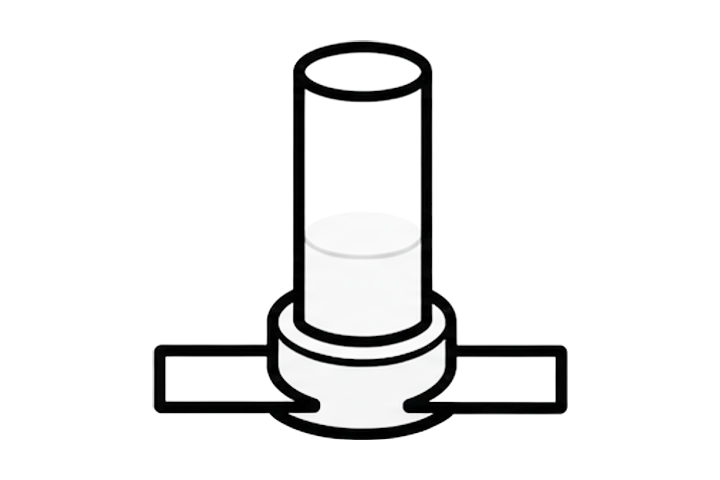
Prepare the sample according to the product instructions so targets are released into the enrichment workflow.
-
02Enrichment
Membrane-surface collection
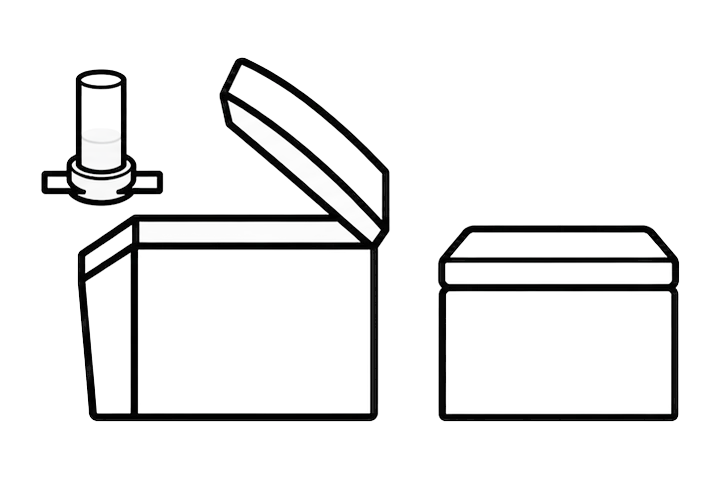
Use the sandwich cup and embedded-adsorption membrane to retain acid-fast bacilli at the surface while reducing loss from repeated transfers.
-
03Staining
Automated slide preparation and staining
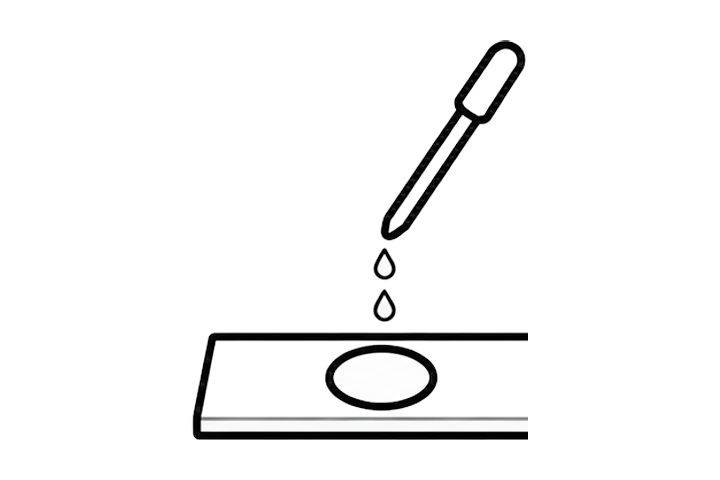
Move the enriched target directly into automated slide preparation and acid-fast staining for a uniform observation area.
-
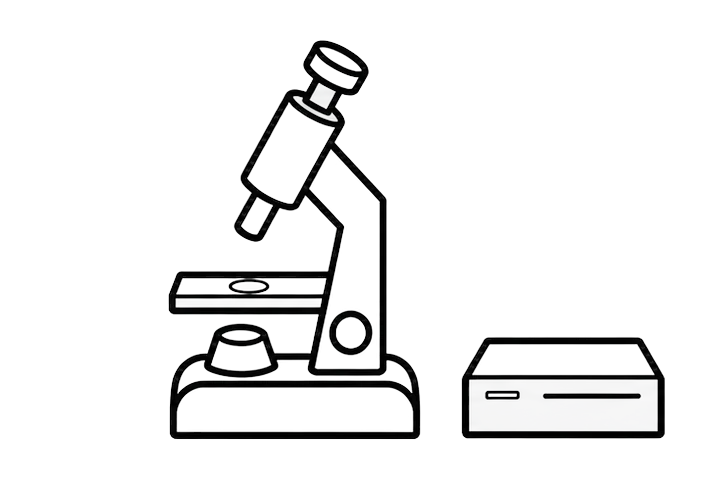
04AI-assisted review
Microscopy and digital review
Review manually or connect automated scanning and AI-assisted review for efficient batch processing.
CONFIGURATION
Recommended configuration
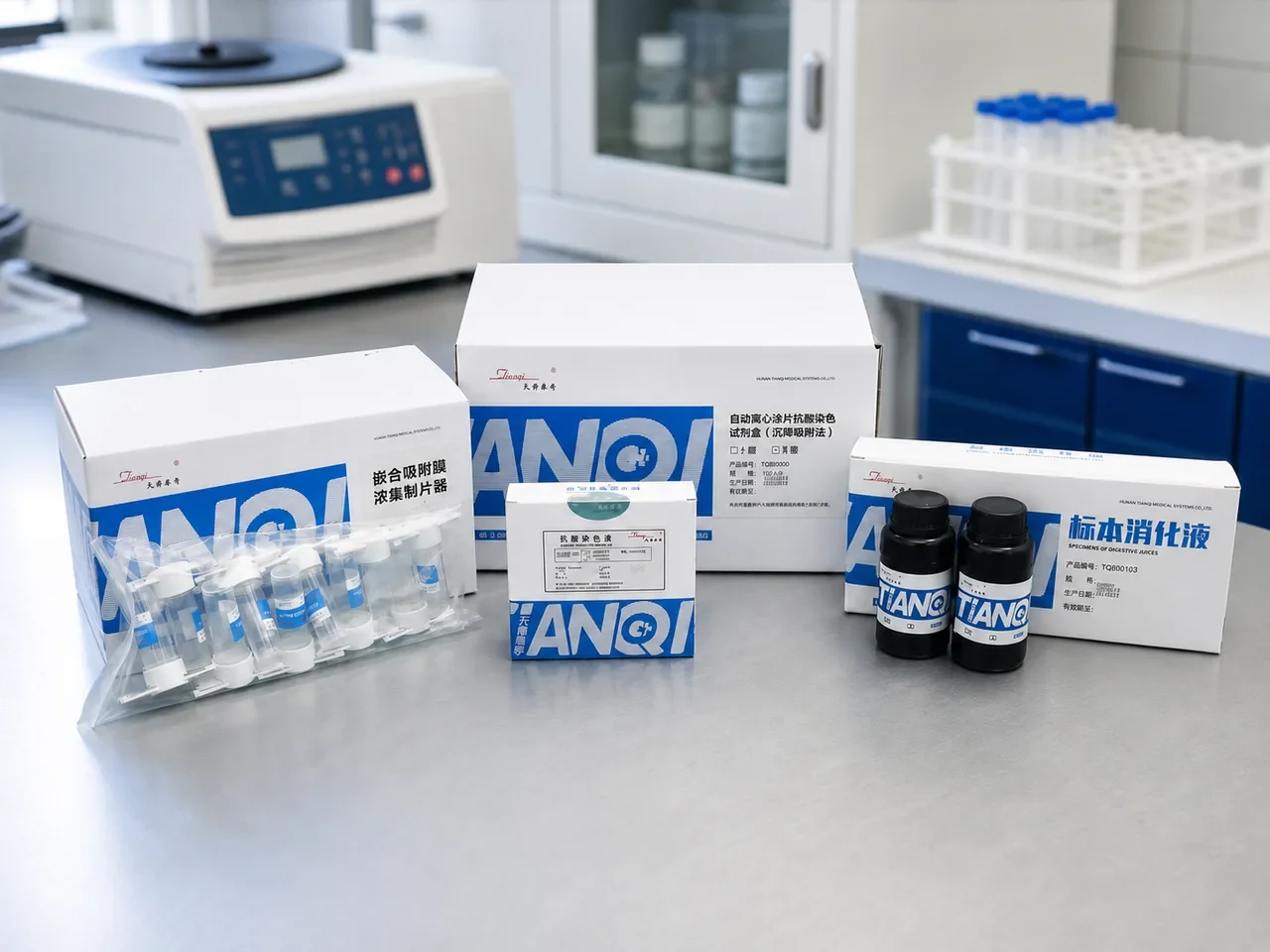
Reagent kits and staining solutions
Acid-fast stains and the automated centrifugal slide-preparation acid-fast staining reagent kits, covering sample pretreatment, membrane-surface collection and acid-fast staining.
View product details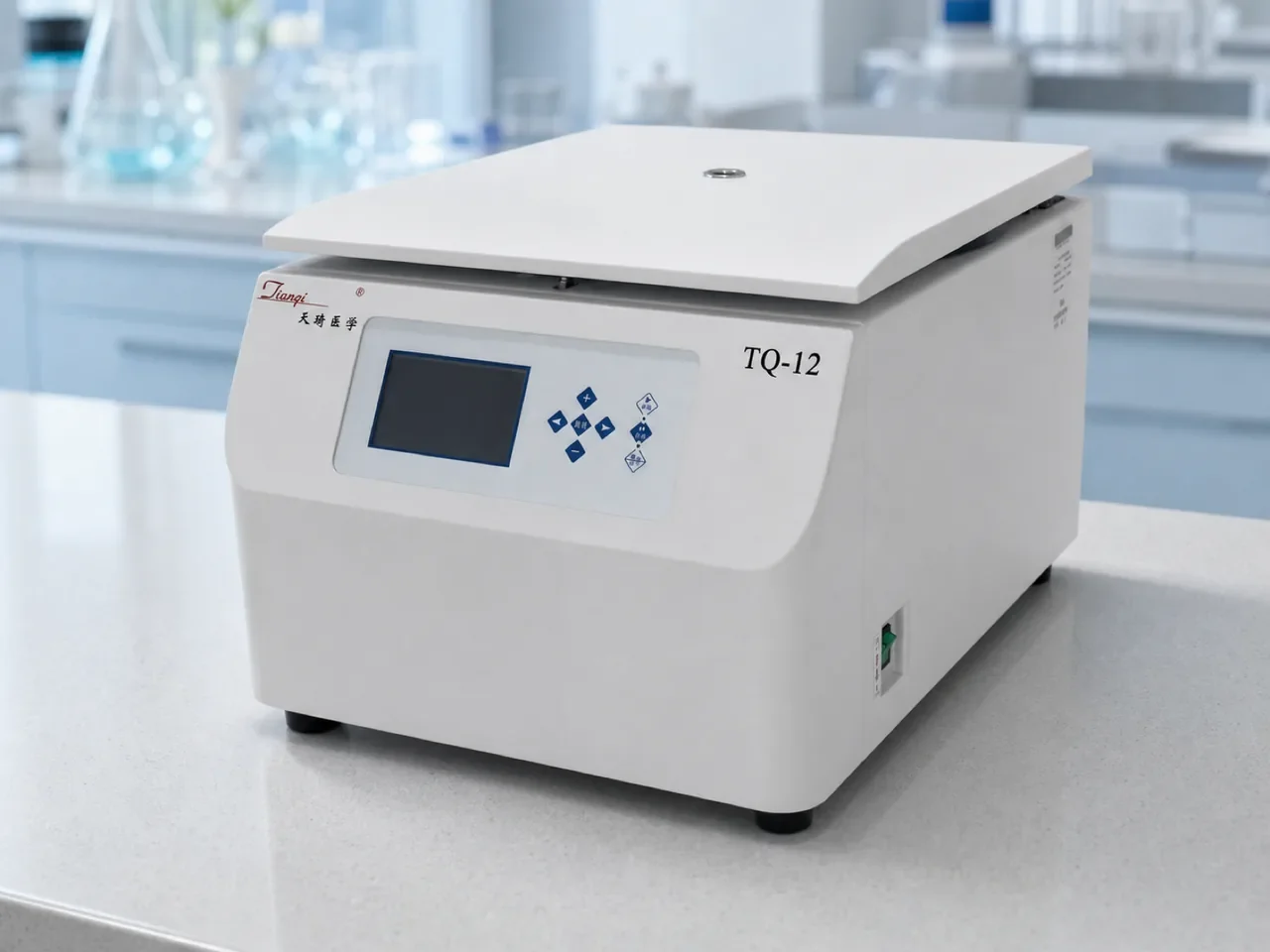
TQ-12 automatic centrifugal slide-preparation instrument
Automates centrifugal slide preparation after sandwich-cup enrichment.
View product details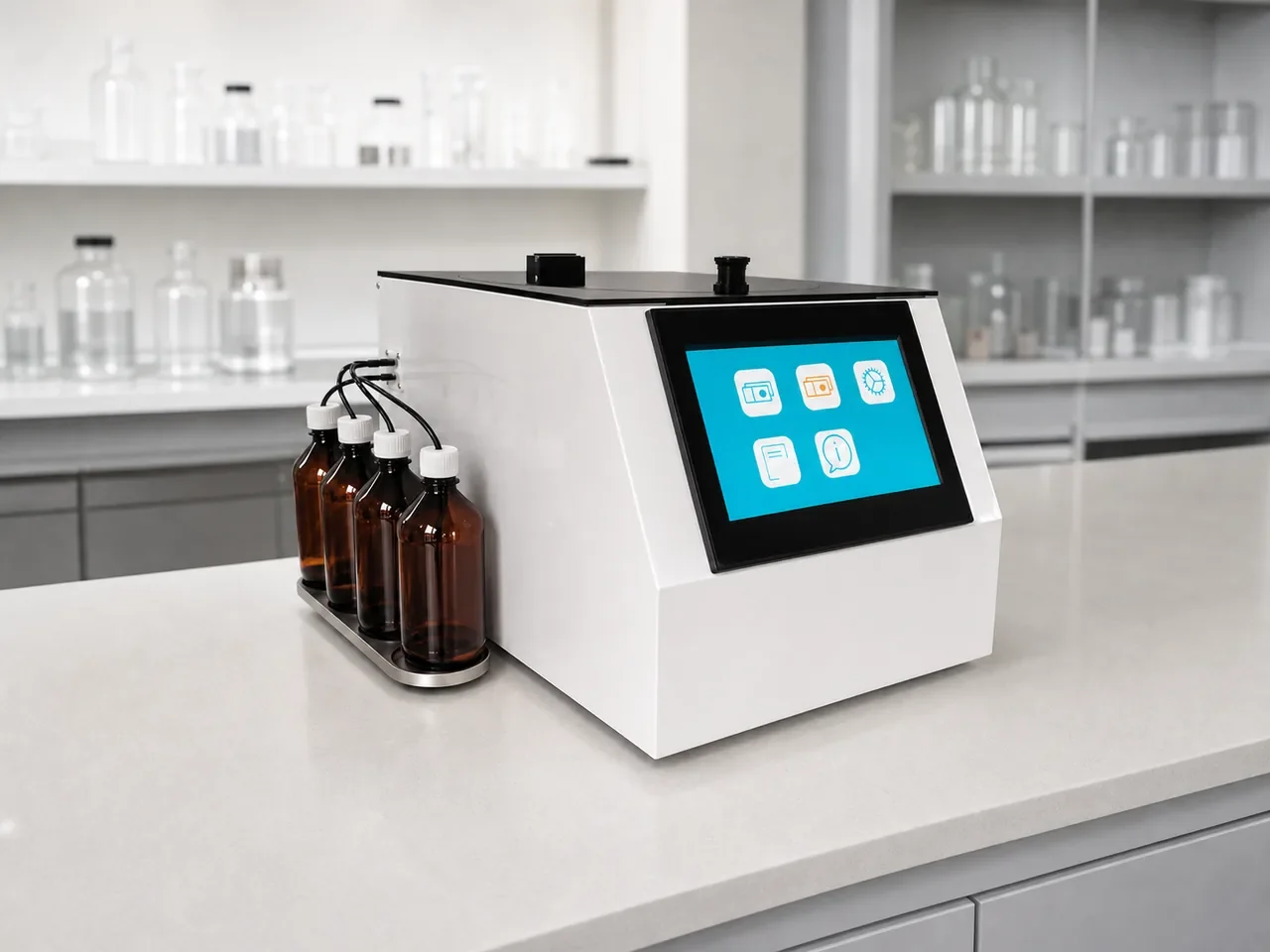
LR-24 staining instrument
Standardises the acid-fast staining step.
View product details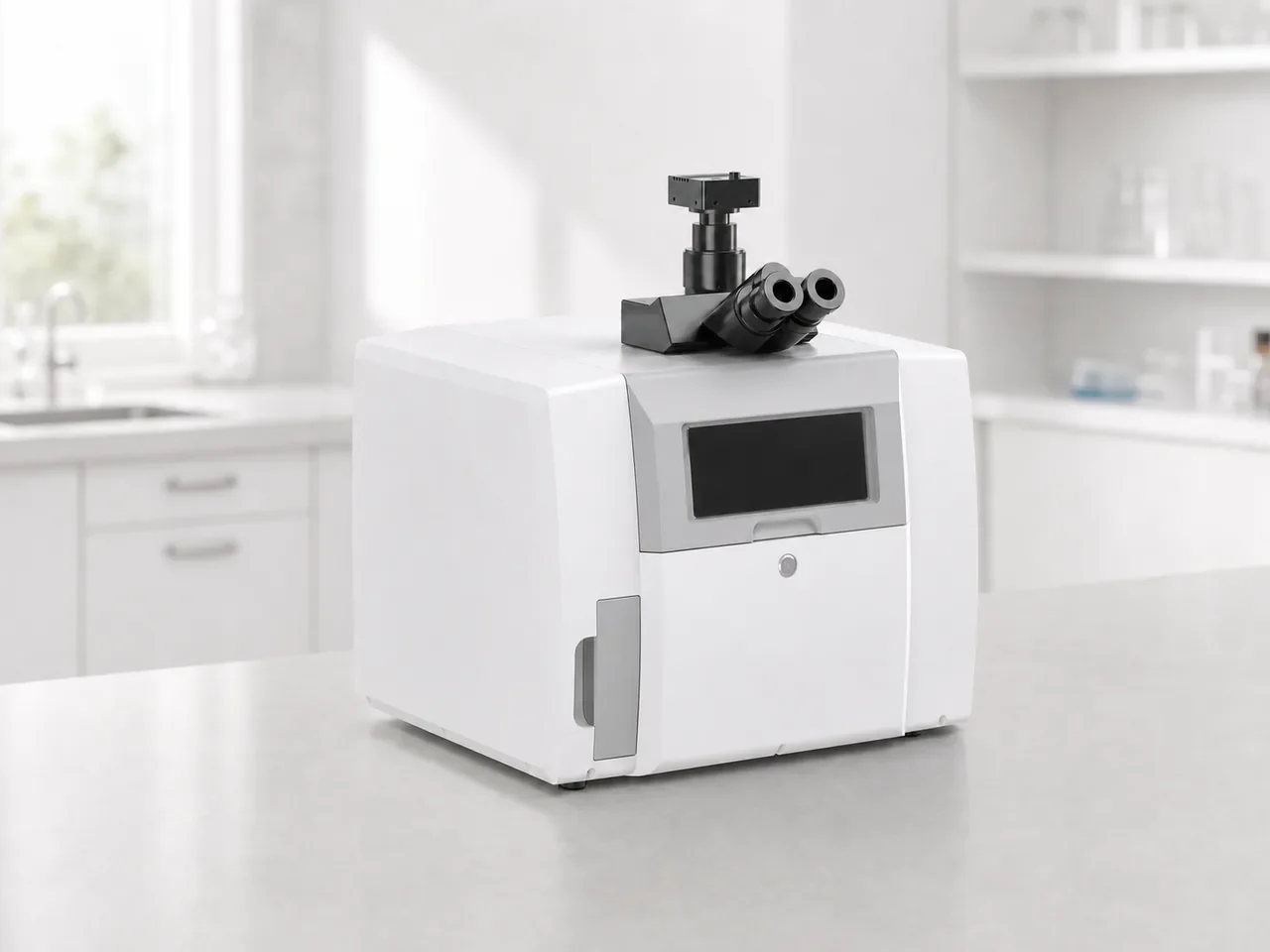
DM-5A automated scanner
Provides automated scanning and AI-assisted review.
View product details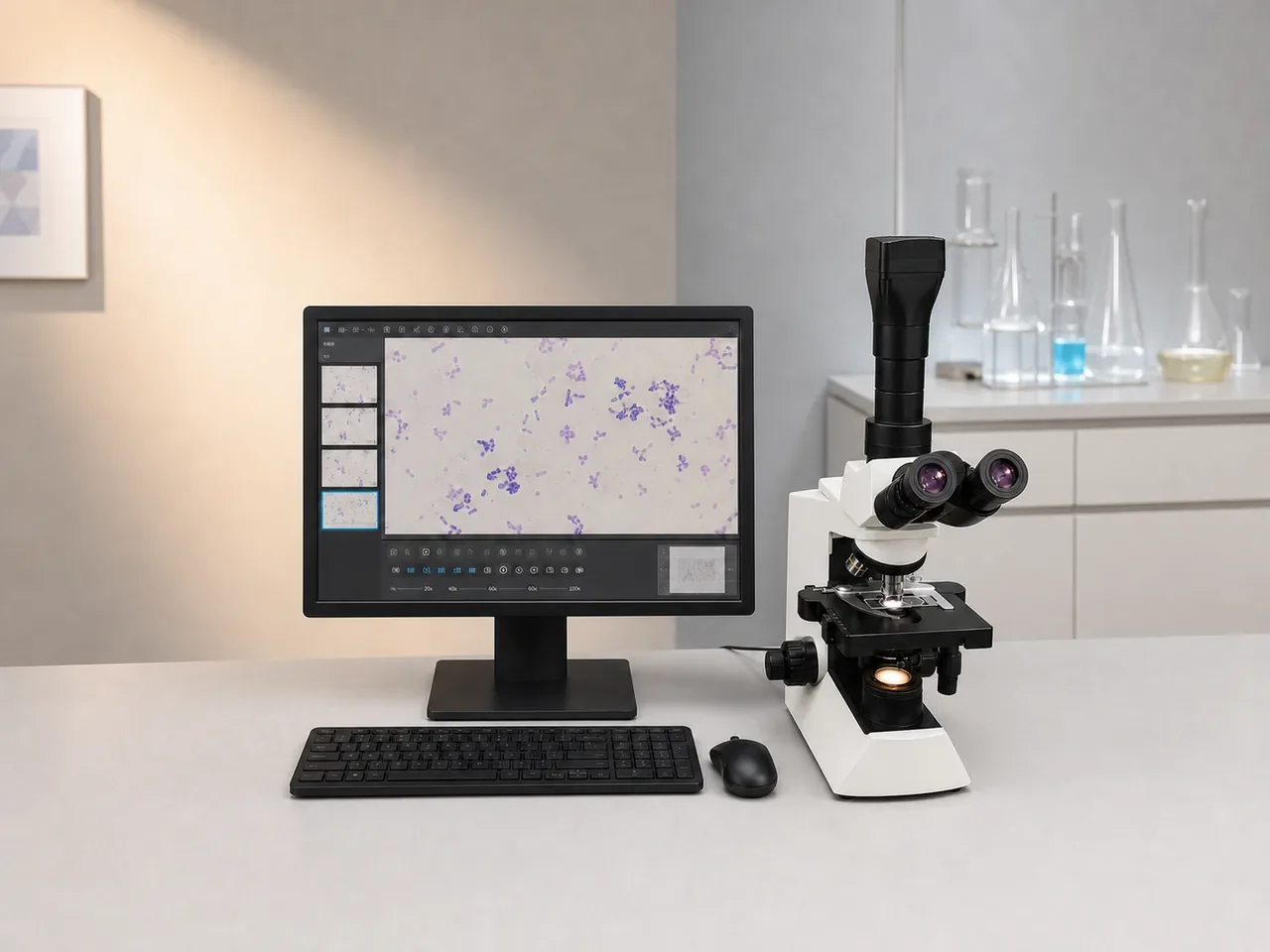
DM-C semi-automatic scanner
Supports semi-automatic scanning with cloud-connected AI review.
View product detailsFAQ
About sample concentration
- What is sample concentration?
- Sample concentration is a processing step before testing: bacteria dispersed in sputum or another sample are first brought together, then smeared and stained or passed to another test, so that more target bacteria reach the field of view. Membrane concentration is the membrane-based method, in which bacteria are concentrated and retained on the membrane surface.
- How does a concentrated smear differ from a direct smear?
- A direct smear is made by spreading the sample straight onto a slide and staining it. A concentrated smear first concentrates the bacteria and then prepares the slide, so more target bacteria from the same sample reach the field of view and low-bacillary-load samples are easier to detect. In a study of 4,114 clinical samples (Tuberculosis 2022), membrane-enriched smears had a sensitivity of 79.4%, compared with 60.5% for direct smears.
- Source: Tuberculosis 2022 original study
- How does membrane concentration differ from concentration by centrifugal sedimentation?
- Centrifugal sedimentation requires taking the sediment from the bottom of the tube before making a smear. In membrane concentration, the embedded-adsorption membrane on the slide inside the sandwich-cup lid concentrates and retains acid-fast bacilli on its surface during centrifugation, and the membrane goes with the slide straight into slide preparation, staining and reading. This reduces losses from centrifugal sedimentation and repeated transfers, and the field of view has less background interference.
- What equipment does a clinical laboratory need for sample concentration?
- It depends on the chosen method and specimen volume. Centrifugal sedimentation methods can usually use the laboratory's existing centrifuge; the membrane-concentration route needs concentration cups, slide-preparation and staining equipment, and a microscope (100× oil-immersion objective, preferably with a halogen light source). Tianqi's acid-fast staining pathway can combine the sandwich cup, the TQ-12 automatic centrifugal slide-preparation instrument, the LR-24 staining instrument and scanning and review equipment as needed. We recommend assessing the configuration against daily specimen volume and staffing.
- Source: Group standard T/CHATA 044—2024, Technical and operating specification for acid-fast staining of membrane-concentrated smears
- How are acid-fast bacilli inactivated in membrane-concentration pretreatment?
- T/CHATA 044—2024 specifies adding 2–4 times the sputum sample volume of digestion-inactivation solution (containing a sodium hypochlorite disinfectant at a concentration >5% and a protein-lysing agent) at room temperature; mixing and digesting for 30 min inactivates acid-fast bacilli. Procedures should meet the biosafety requirements of WS 233—2017 and WS/T 442—2024.
- Source: Group standard T/CHATA 044—2024, Technical and operating specification for acid-fast staining of membrane-concentrated smears
Questions and answers last reviewed October 28, 2026.
ENRICHMENT FIRST · DETECTION NEXT
Bring more targets
into the detection workflow
Tell us your samples, targets and current detection methods, and we will recommend a membrane route, consumables and how to connect the workflow.
- Increase target concentration
- Reduce avoidable transfer and elution loss
- Connect existing detection methods
- Support manual and automated workflows